Honolulu Fence Installation for Every Property Type on Oahu
How Honolulu Property Density Shapes Fencing Decisions
Property configurations in Honolulu present fencing challenges that differ substantially from anywhere else on Oahu. Lot sizes shrink as density increases through urban corridors, forcing fence installations into tight setback zones where every inch of post placement matters for code compliance and neighbor relations. Older residential neighborhoods contain properties built across multiple decades, each carrying different foundation conditions, grading profiles, and existing boundary structures that complicate new installations or require careful integration with adjacent fencing. Coastal exposure intensifies as properties sit closer to the waterfront, with salt air concentration levels capable of destroying unprotected metal hardware in a matter of months rather than the years it might take in sheltered inland locations. The mix of single-family homes, townhouse complexes, condominiums, and commercial buildings means that fencing projects here regularly cross between residential and commercial code requirements within the same service area, sometimes within the same block. Boundary disputes and encroachment concerns are more common in neighborhoods where original lot surveys predate modern standards and where Hawaii's volcanic land shifts have altered actual property lines over time. Precise fence placement using current survey data is a critical first step before any materials go in the ground, preventing the legal complications that arise from even minor encroachments in a dense urban environment.
Material Selection for Urban and Coastal Honolulu Lots
Honolulu fencing projects carry additional regulatory complexity that contractors unfamiliar with the area routinely underestimate or overlook entirely. The Honolulu Department of Planning and Permitting enforces height restrictions, setback rules, and material specifications that vary by zoning district and sometimes by individual block or special management area. Properties within flood zones, shoreline management areas, or designated historic districts face supplemental review requirements that can add weeks to project timelines if not anticipated during the initial planning phase. The urban heat island effect compounds UV degradation on fence surfaces, particularly on south-facing and west-facing exposures where afternoon sun bakes materials for extended hours throughout the long summer months. Wind patterns channel differently through Honolulu than through open suburban areas, creating localized gusts and downdraft zones around taller buildings that fence structures must be engineered to withstand. The dense property layout means that fence installations frequently require coordination with adjacent property owners, utility easement verification, and careful scheduling to minimize disruption in neighborhoods where construction access is already constrained. Getting a fence installed in Honolulu without code violations, neighbor disputes, or premature material failure requires understanding the intersection of regulatory requirements, environmental stresses, and the physical realities of the specific property being served.
Residential Fencing in Honolulu Neighborhoods
Residential fencing across Honolulu neighborhoods serves a range of purposes from pure privacy screening to pet containment, pool safety compliance, and property boundary definition on lots where proximity to neighbors makes clear demarcation essential. The material that performs best depends heavily on the specific neighborhood and its distance from the coast. Properties in Kaimuki and Manoa sit further from open ocean exposure and tolerate a broader range of materials including wood and standard chain link, while homes in Kahala and Aina Haina face more aggressive salt conditions that narrow viable options to vinyl, aluminum, and vinyl-coated chain link for any reasonable service life. Lot grading in hillside neighborhoods like Makiki and areas climbing toward Tantalus demands stepped or racked panel installations that follow the terrain while maintaining consistent fence height throughout the run. Many Honolulu residential properties also fall under homeowner association guidelines or neighborhood board recommendations that influence fence style, color, and maximum height, adding specification layers that must be confirmed before materials are ordered. Pool fencing installations must simultaneously satisfy Hawaii barrier code requirements and any additional aesthetic standards imposed by the community. We verify all applicable HOA requirements, zoning classifications, and code specifications as part of our standard pre-installation process, ensuring a single approval cycle rather than costly revision rounds.
Multi-Unit and Commercial Fence Systems
Commercial and multi-unit fencing in Honolulu ranges from perimeter security around office complexes and retail properties to dumpster enclosures, parking structure barriers, and access-controlled entry systems for gated residential developments throughout the metro area. The permitting requirements for commercial installations are substantially more involved than residential work, requiring engineered drawings and structural calculations for fences above standard residential heights or those incorporating automated gate mechanisms. Properties in Honolulu's commercial districts must comply with setback rules that account for pedestrian right-of-way corridors, ADA accessibility requirements, and utility easements that residential installations rarely encounter. Multi-unit residential complexes present coordination challenges involving property management companies, tenant notification timelines, and phased installation schedules that maintain access and minimize disruption to residents throughout the construction period. Security fencing for commercial properties near the waterfront or in industrial zones demands heavier gauge materials and anti-climb features that exceed what residential-grade products can deliver. Every commercial project we handle includes a comprehensive regulatory review and full permit coordination through the appropriate Honolulu County departments, with all documentation prepared and submitted before construction scheduling begins. This systematic approach prevents the mid-project delays and enforcement complications that result from installations that move forward without proper clearance from every applicable reviewing authority.
Permit-Ready Installations for Honolulu Properties
Fence repair and replacement in Honolulu addresses the full spectrum of damage caused by the island's environmental conditions and the age of existing infrastructure across the city's diverse neighborhoods. Rust and corrosion failures on older metal fences are among the most frequent repair calls in coastal neighborhoods, where original galvanized hardware has degraded past the point where surface treatment can restore structural integrity. Termite damage drives wood fence repair demand throughout established residential areas, particularly in homes where original fencing used untreated or minimally treated lumber that has been compromised at the post-to-ground contact point where moisture wicks into vulnerable end grain. Storm damage repair requires rapid response to stabilize property boundaries and prevent secondary damage from unsecured fence sections that could become windborne debris during subsequent weather events. Leaning fence correction addresses the gradual failure of posts set in shallow footings or in soil that has eroded over time due to drainage changes, root intrusion from mature trees, or grade alterations on neighboring properties. We evaluate every repair against the cost and projected longevity of a targeted fix versus a full section replacement, providing honest assessments that prioritize the property owner's long-term financial interests over the short-term convenience of a patch job that will need revisiting within a few seasons.
Comprehensive Fencing Services in Pearl City
Tailored to Your Needs
We offer a full range of residential and commercial fencing services designed specifically for Oahu's climate and building requirements. Every material we install is selected for performance in Hawaii's salt air, humidity, and wind conditions. From vinyl privacy fences to hurricane-rated installations, our services cover the complete scope of what Pearl City property owners need.
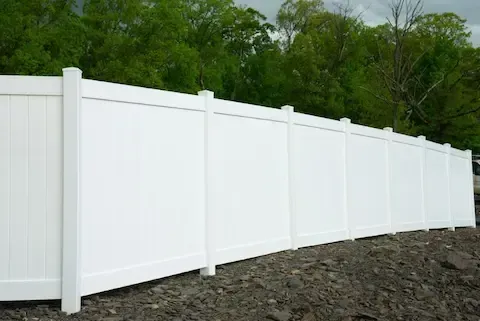
Salt-air resistant vinyl fencing built to last in Pearl City's tropical climate.
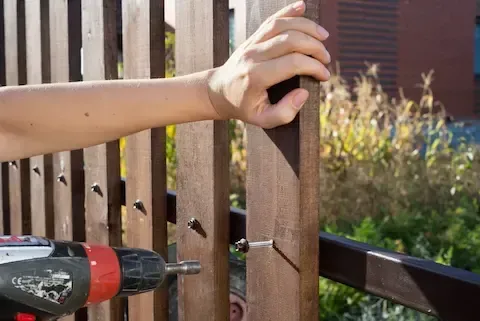
Tropical hardwood and pressure-treated wood fences built for Oahu's climate.
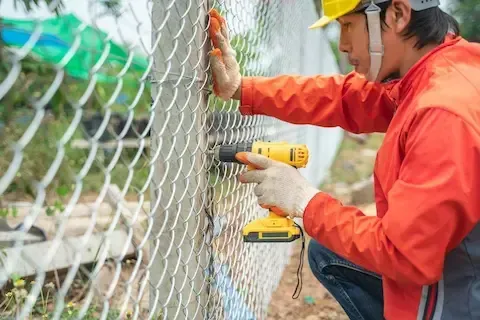
Durable chain link fencing for residential and commercial Pearl City properties.
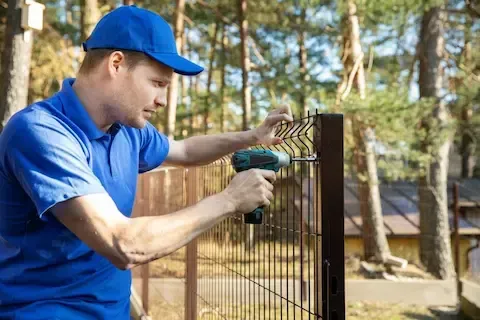
Rust-proof aluminum fencing built to thrive in Pearl City's salt air.
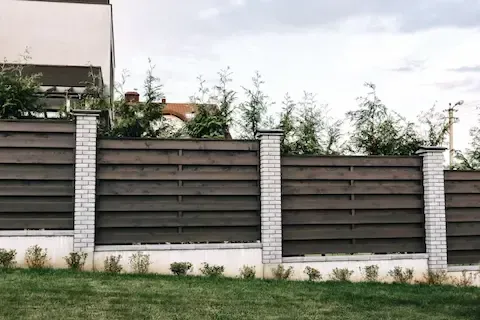
Full-privacy fencing designed for Pearl City lots and HOA requirements.
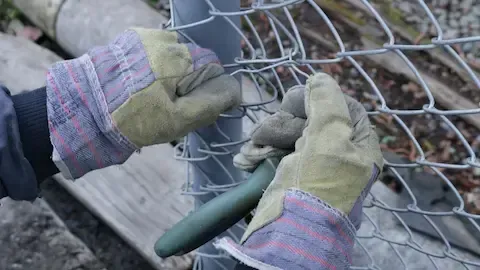
Fast, reliable fence repair for Pearl City homes and businesses.
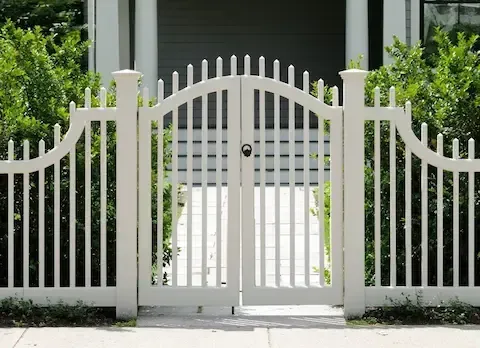
Custom gate installation for driveways, walkways, and pools in Pearl City.
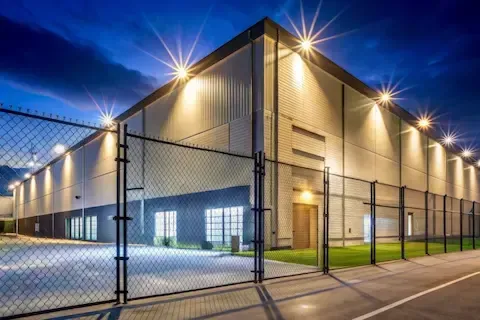
Commercial-grade fencing and security solutions for Oahu businesses.
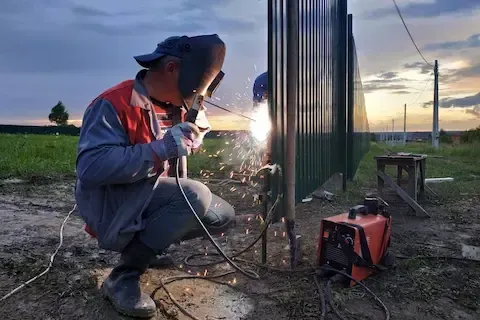
Wind-rated fencing engineered for Hawaii's hurricane zone.
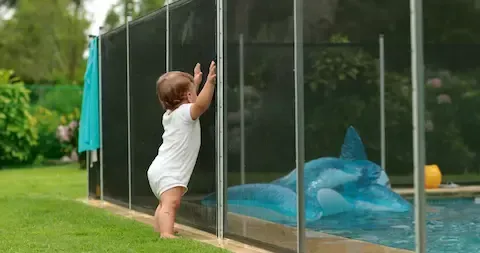
Code-compliant pool fencing that meets Hawaii safety requirements.
Frequently Asked Questions
Fencing can be complex, and we’re here to provide answers to common questions. Here are some frequently asked questions from our clients.
Frequently Asked Questions about Fencing Contractor
How long does fence installation take in Pearl City?
Most residential fence projects in Pearl City take between 1 and 3 days depending on the material, property size, and terrain. Vinyl and aluminum installs on flat lots are typically completed in a single day. Wood privacy fences and projects on sloped or rocky ground may require additional time for post setting and grading adjustments.
What fence materials work best in Hawaii's climate?
Vinyl and aluminum are the top-performing fence materials in Pearl City due to their resistance to salt air corrosion and tropical humidity. Wood fences can work well when built with pressure-treated lumber or tropical hardwoods like ipe, but they require more maintenance. Chain link with vinyl coating is another durable option for properties closer to the coast.
Do I need a permit to build a fence in Pearl City?
Most residential fences in Pearl City do require a building permit through the Honolulu Department of Planning and Permitting. Fences over 6 feet tall always need a permit, and even shorter fences may require one depending on your property's zoning classification and proximity to property lines. We handle the permit application process so you don't have to deal with the paperwork.
How much does fence installation cost in Pearl City?
Residential fence installation in Pearl City typically ranges from $25 to $55 per linear foot depending on the material and style. Vinyl privacy fencing averages around $35 to $45 per foot installed. Chain link is the most affordable option starting around $20 per foot, while aluminum and custom wood fences fall in the $40 to $60 range. We provide free on-site estimates for accurate pricing.
What are the post depth requirements for fences in Hawaii?
Hawaii's building code requires fence posts to be set at a minimum depth of 24 inches for standard installations, with deeper footings required in areas with high wind exposure. In Pearl City, trade winds and hurricane season mean post depth and concrete footing specifications are critical for long-term stability. We follow Honolulu County code requirements on every project.
Does homeowner's insurance cover fence damage in Hawaii?
Yes. If your fence was damaged by a storm, fallen tree, or vehicle impact, your homeowner's insurance may cover repair or replacement costs. We work with insurance companies regularly and can provide detailed estimates and documentation to support your claim. Contact us after any storm damage and we can assess the situation quickly.
Need Fencing?
What Our Satisfied Clients Have to Say About Pearl City Fencing Pros
We pride ourselves on delivering great results and experiences for each client. Hear directly from home and business owners who’ve trusted us with their Fencing needs.

They handled everything from the permit to the final walkthrough. Our new vinyl fence looks incredible and we haven't had to touch it since installation. Solid work from a crew that clearly knows Hawaii conditions.
- Pearl City Homeowner
We needed a fence that met our HOA requirements and could handle the wind exposure on our lot. They walked us through every option and installed exactly what we needed. Professional from start to finish.
- Mililani Resident
After getting quotes from three companies, these guys were the only ones who actually came out, looked at the soil, and explained why certain materials would fail on our property. That kind of honesty earned our business.
- Kapolei Property Owner
The Trusted Fencing Expert Near You
Ready to hear more about expert services at Pearl City Fencing Pros?
Contact us today to receive a detailed, no-obligation quote.
Serving Pearl City and the surrounding cities
Mon-Fri, 8am-5pm