New Construction and Established Homes — Kapolei Fencing Contractor
Fencing Kapolei's Expanding Neighborhoods
Kapolei sits in the middle of Oahu's most active residential development corridor, where new construction communities are being delivered alongside established neighborhoods that have been in place for over two decades. This mix creates two distinct categories of fencing demand that require different approaches and different conversations with homeowners. New homes in master-planned developments like Hoopili and Kaulu often come with basic builder-grade fencing that meets minimum lot separation requirements but falls short of what homeowners actually need for privacy, security, wind resistance, or aesthetic standards. Established properties in older Kapolei subdivisions and the Villages of Kapolei are reaching the point where original fences need significant upgrading or full replacement as materials degrade beyond what maintenance can address. The leeward side of Oahu delivers intense sun exposure with fewer clouds and substantially less rainfall than windward or central locations, which accelerates UV degradation on fence surfaces and dries out wood materials faster than homeowners coming from wetter parts of the island expect. Afternoon heat radiating off concrete driveways, sidewalks, and paved common areas in newer developments adds thermal stress that compounds material fatigue over time, making material selection an even more consequential decision on this side of the island than in cooler, wetter environments.
Leeward Coast Conditions and Material Performance
The pace of development across Kapolei introduces infrastructure variables that established communities simply do not face. Grading and drainage patterns shift as new subdivisions are built adjacent to existing neighborhoods, sometimes altering surface water flow in ways that affect fence footing stability and soil moisture levels on neighboring properties that were previously stable. Newer lots in communities like Hoopili feature smaller footprints and tighter lot-to-lot spacing than the more generous configurations found in earlier Kapolei developments, making fence placement precision critical for avoiding setback violations and boundary encroachment issues that create disputes between new neighbors. HOA governance varies significantly between Kapolei's many different developments, with some communities enforcing strict design controls on fence materials, colors, heights, and even panel orientations while others operate with considerably more flexibility for homeowner choice. The proximity to the leeward coast brings salt air exposure that varies with distance and elevation, with properties positioned on the western edge of the Kapolei corridor facing more aggressive corrosion conditions than those set further inland toward Makakilo's higher ground. Understanding these neighborhood-by-neighborhood differences in soil conditions, sun exposure patterns, HOA requirements, and salt air intensity prevents installation mistakes that lead to compliance violations, premature material failure, or code enforcement actions that cost homeowners time and money to resolve.
New Home Fence Installation and Builder Coordination
New home fence installation in Kapolei frequently involves upgrading or extending the builder-grade fencing that comes standard with recently constructed properties in the area's active developments. Many new communities deliver homes with minimal lot-line fencing using the most cost-effective materials available at scale, leaving homeowners to add privacy screening, upgrade to more durable or aesthetically appropriate materials, or extend fence coverage to fully enclose outdoor living areas that the original installation left open. Coordinating these upgrades with builders and HOA design committees during the new construction warranty period requires careful documentation to ensure that modifications integrate cleanly with the existing structure without creating warranty issues or voiding coverage on the original installation. For homes purchased on resale within established Kapolei neighborhoods, the assessment process evaluates existing fence condition against current material compatibility standards for extensions or partial replacements, verifying compliance with community design standards that may have been updated since the original fence was installed. Vinyl fencing is the dominant choice for new Kapolei installations because it resists the intense UV exposure on the leeward side without the fading, cracking, or warping that affects wood and lower-grade plastic products in this environment. We handle the full scope of new home fencing work from initial HOA design review submission through county permit coordination, material procurement, and final installation with post-project inspection.
Replacement Fencing for Established Kapolei Properties
Replacement fencing for established Kapolei properties addresses the accumulated effects of years of leeward sun exposure, wind stress, and the natural degradation cycle that every material eventually reaches under these conditions. Properties in the original Villages of Kapolei subdivisions are now carrying fences that have endured two decades or more of intense UV bombardment and dry heat cycles that extract moisture from wood, make lower-quality vinyl compounds brittle, and fatigue metal connections through thermal expansion and contraction. Post foundations set to minimum code depth during the original construction era may have loosened as surrounding soil compacted, shifted during drainage changes, or eroded from root intrusion by maturing landscape plantings, resulting in leaning sections that compromise both appearance and structural integrity across the entire fence line. Full replacement projects provide the opportunity to upgrade footing depth to current best practices, switch to materials better engineered for the specific conditions at the property, and realign the fence to accurate surveyed property boundaries that may differ from where the original installation was placed. We coordinate replacement projects with neighbors whenever shared fence lines are involved, ensuring both parties understand the scope, timeline, and any temporary disruption before demolition and new installation work begins on the property.
Commercial and HOA Common Area Fencing
Commercial fencing across Kapolei serves the growing base of retail centers, office complexes, industrial properties, government facilities, and mixed-use developments that define the region's role as Oahu's second urban center. Security perimeter fencing around commercial properties must meet height and material specifications that differ significantly from residential standards, with anti-climb mesh, reinforced post configurations, access control integration, and heavier gauge materials becoming baseline requirements rather than optional upgrades. HOA common area fencing in master-planned communities requires coordination with property management companies and association boards to ensure design consistency across the entire development while meeting the functional requirements of each specific installation location within the community. Construction site fencing provides temporary containment for the numerous active building projects throughout the expanding Kapolei corridor, with panel configurations and permit documentation that meet Honolulu County temporary fencing requirements for job site containment and pedestrian safety. Dumpster enclosures, parking lot perimeter barriers, and tenant separation fencing in commercial properties all carry their own specification sets driven by zoning classification, intended use, and aesthetic standards established by the commercial property owner or management entity. Each project includes a full regulatory review covering zoning compliance verification, setback confirmation, and permit coordination through the appropriate county departments before any installation work is scheduled.
Comprehensive Fencing Services in Pearl City
Tailored to Your Needs
We offer a full range of residential and commercial fencing services designed specifically for Oahu's climate and building requirements. Every material we install is selected for performance in Hawaii's salt air, humidity, and wind conditions. From vinyl privacy fences to hurricane-rated installations, our services cover the complete scope of what Pearl City property owners need.
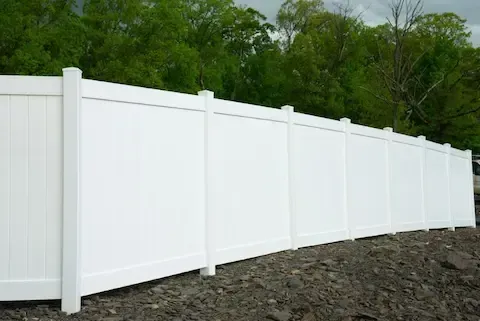
Salt-air resistant vinyl fencing built to last in Pearl City's tropical climate.
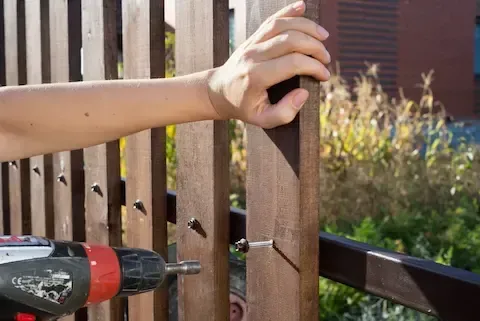
Tropical hardwood and pressure-treated wood fences built for Oahu's climate.
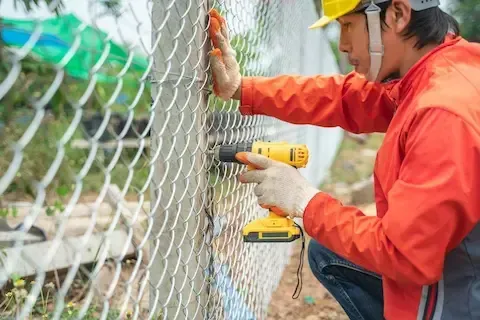
Durable chain link fencing for residential and commercial Pearl City properties.
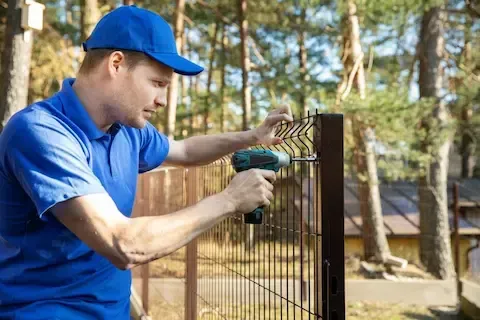
Rust-proof aluminum fencing built to thrive in Pearl City's salt air.
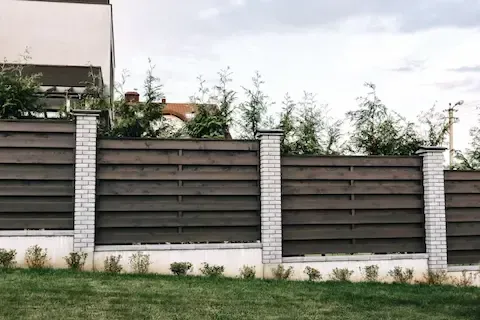
Full-privacy fencing designed for Pearl City lots and HOA requirements.
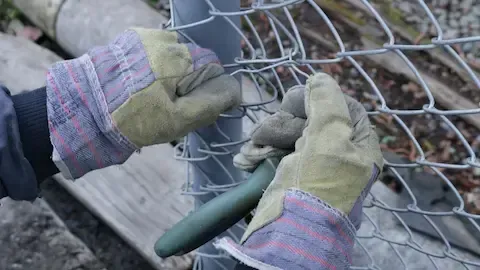
Fast, reliable fence repair for Pearl City homes and businesses.
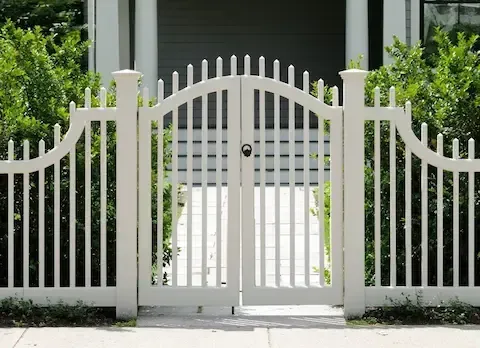
Custom gate installation for driveways, walkways, and pools in Pearl City.
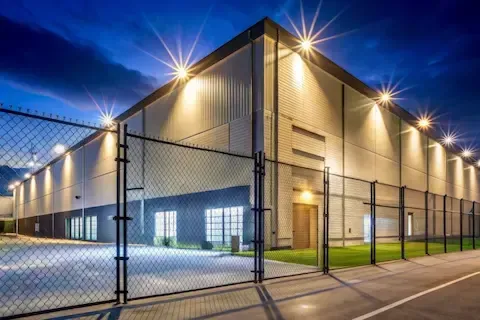
Commercial-grade fencing and security solutions for Oahu businesses.
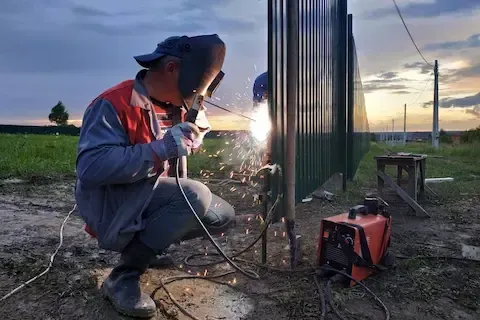
Wind-rated fencing engineered for Hawaii's hurricane zone.
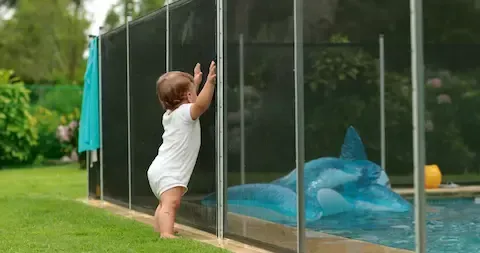
Code-compliant pool fencing that meets Hawaii safety requirements.
Frequently Asked Questions
Fencing can be complex, and we’re here to provide answers to common questions. Here are some frequently asked questions from our clients.
Frequently Asked Questions about Fencing Contractor
How long does fence installation take in Pearl City?
Most residential fence projects in Pearl City take between 1 and 3 days depending on the material, property size, and terrain. Vinyl and aluminum installs on flat lots are typically completed in a single day. Wood privacy fences and projects on sloped or rocky ground may require additional time for post setting and grading adjustments.
What fence materials work best in Hawaii's climate?
Vinyl and aluminum are the top-performing fence materials in Pearl City due to their resistance to salt air corrosion and tropical humidity. Wood fences can work well when built with pressure-treated lumber or tropical hardwoods like ipe, but they require more maintenance. Chain link with vinyl coating is another durable option for properties closer to the coast.
Do I need a permit to build a fence in Pearl City?
Most residential fences in Pearl City do require a building permit through the Honolulu Department of Planning and Permitting. Fences over 6 feet tall always need a permit, and even shorter fences may require one depending on your property's zoning classification and proximity to property lines. We handle the permit application process so you don't have to deal with the paperwork.
How much does fence installation cost in Pearl City?
Residential fence installation in Pearl City typically ranges from $25 to $55 per linear foot depending on the material and style. Vinyl privacy fencing averages around $35 to $45 per foot installed. Chain link is the most affordable option starting around $20 per foot, while aluminum and custom wood fences fall in the $40 to $60 range. We provide free on-site estimates for accurate pricing.
What are the post depth requirements for fences in Hawaii?
Hawaii's building code requires fence posts to be set at a minimum depth of 24 inches for standard installations, with deeper footings required in areas with high wind exposure. In Pearl City, trade winds and hurricane season mean post depth and concrete footing specifications are critical for long-term stability. We follow Honolulu County code requirements on every project.
Does homeowner's insurance cover fence damage in Hawaii?
Yes. If your fence was damaged by a storm, fallen tree, or vehicle impact, your homeowner's insurance may cover repair or replacement costs. We work with insurance companies regularly and can provide detailed estimates and documentation to support your claim. Contact us after any storm damage and we can assess the situation quickly.
Need Fencing?
What Our Satisfied Clients Have to Say About Pearl City Fencing Pros
We pride ourselves on delivering great results and experiences for each client. Hear directly from home and business owners who’ve trusted us with their Fencing needs.

They handled everything from the permit to the final walkthrough. Our new vinyl fence looks incredible and we haven't had to touch it since installation. Solid work from a crew that clearly knows Hawaii conditions.
- Pearl City Homeowner
We needed a fence that met our HOA requirements and could handle the wind exposure on our lot. They walked us through every option and installed exactly what we needed. Professional from start to finish.
- Mililani Resident
After getting quotes from three companies, these guys were the only ones who actually came out, looked at the soil, and explained why certain materials would fail on our property. That kind of honesty earned our business.
- Kapolei Property Owner
The Trusted Fencing Expert Near You
Ready to hear more about expert services at Pearl City Fencing Pros?
Contact us today to receive a detailed, no-obligation quote.
Serving Pearl City and the surrounding cities
Mon-Fri, 8am-5pm